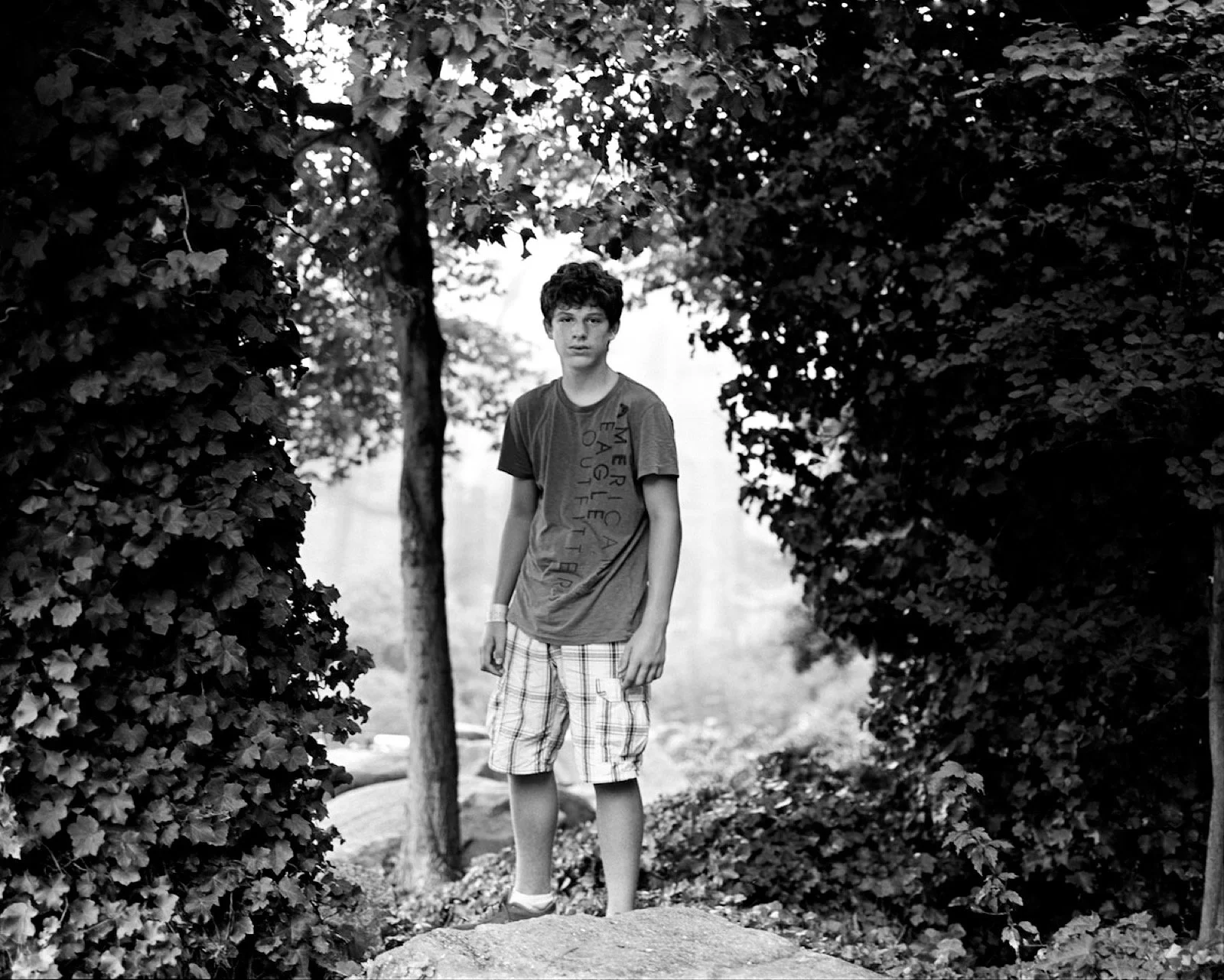
Cameron, Age 15. Stone Mountain, Georgia. Cameron was attending the 4th of July celebrations at Stone Mountain– a publicly owned park that sits beneath a monumental relief carving of Confederate soldiers Robert E Lee, Stonewall Jackson & President of the Confederacy, Jefferson Davis.
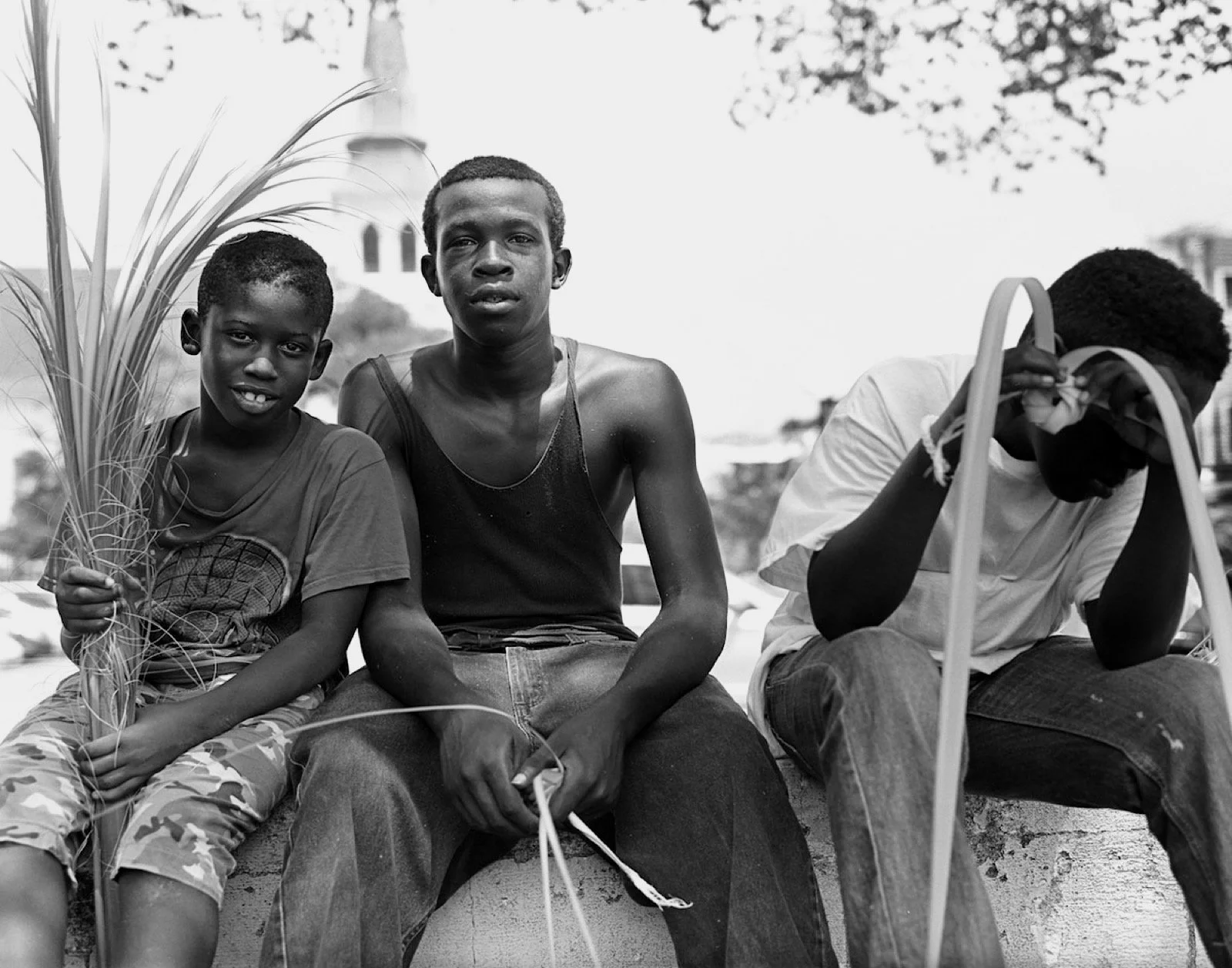
Malik (8), Daron (15) & Michael (12) weave palm roses to sell to mourners outside of the AME Emanuel Church in Charleston, South Carolina. A month earlier a white supremacist took the lives of nine congregants of the church during their evening Bible Study—Cynthia Hurd, 54; Susie Jackson, 87; Ethel Lance, 70; Rev. DePayne Middleton-Doctor, 49; Hon. Rev. Clementa Pinckney, 41; Tywanza Sanders, 26; Rev. Daniel Simmons Sr., 74; Rev. Sharonda Singleton, 45; and Myra Thompson, 59. Hundreds of palm roses hand-woven by Malik, Daron and Michael decorate the facade of the church, which has become a sprawling memorial for mourners and community members.
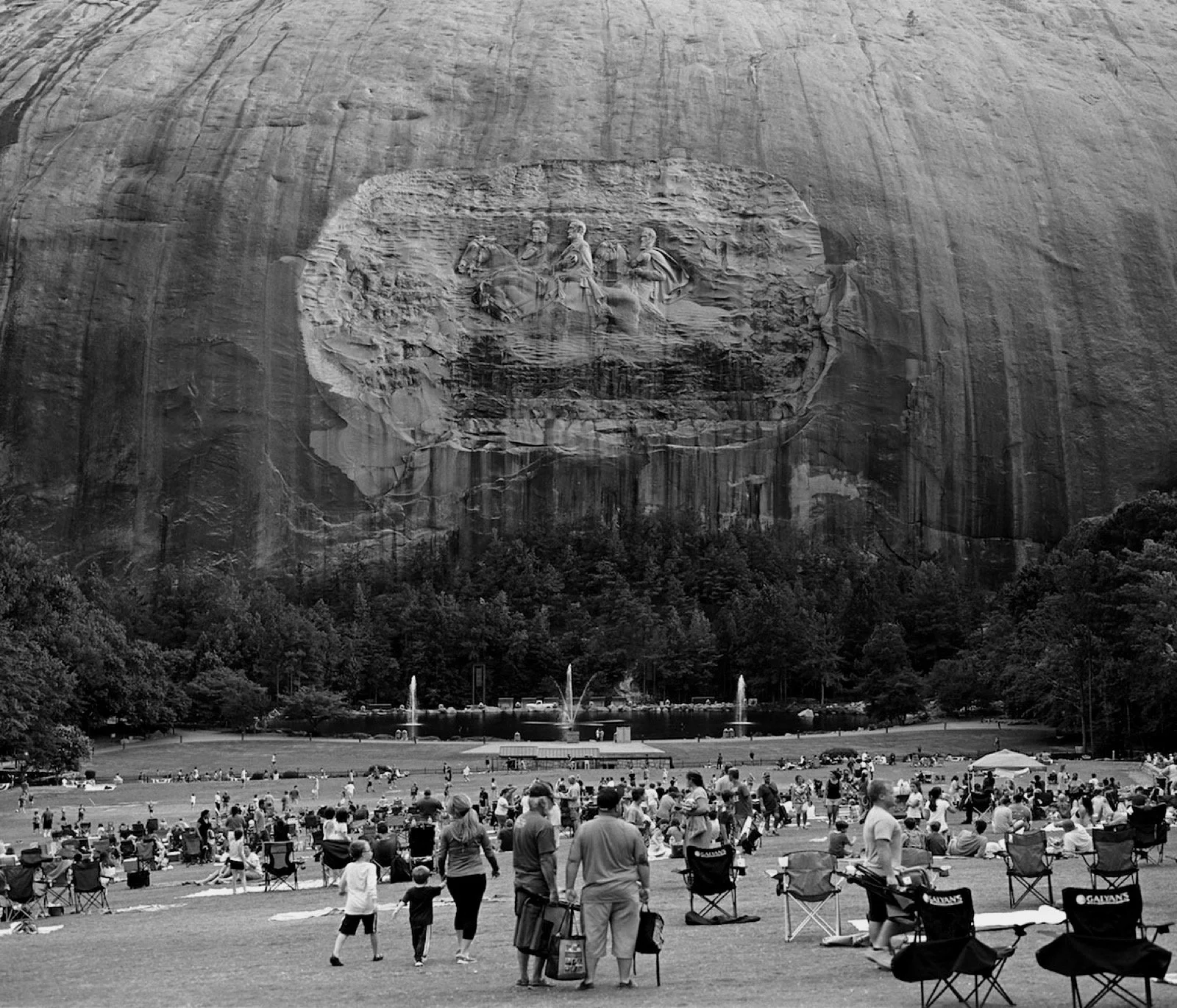
Families gather at Stone Mountain on the Fourth of July, 2015.
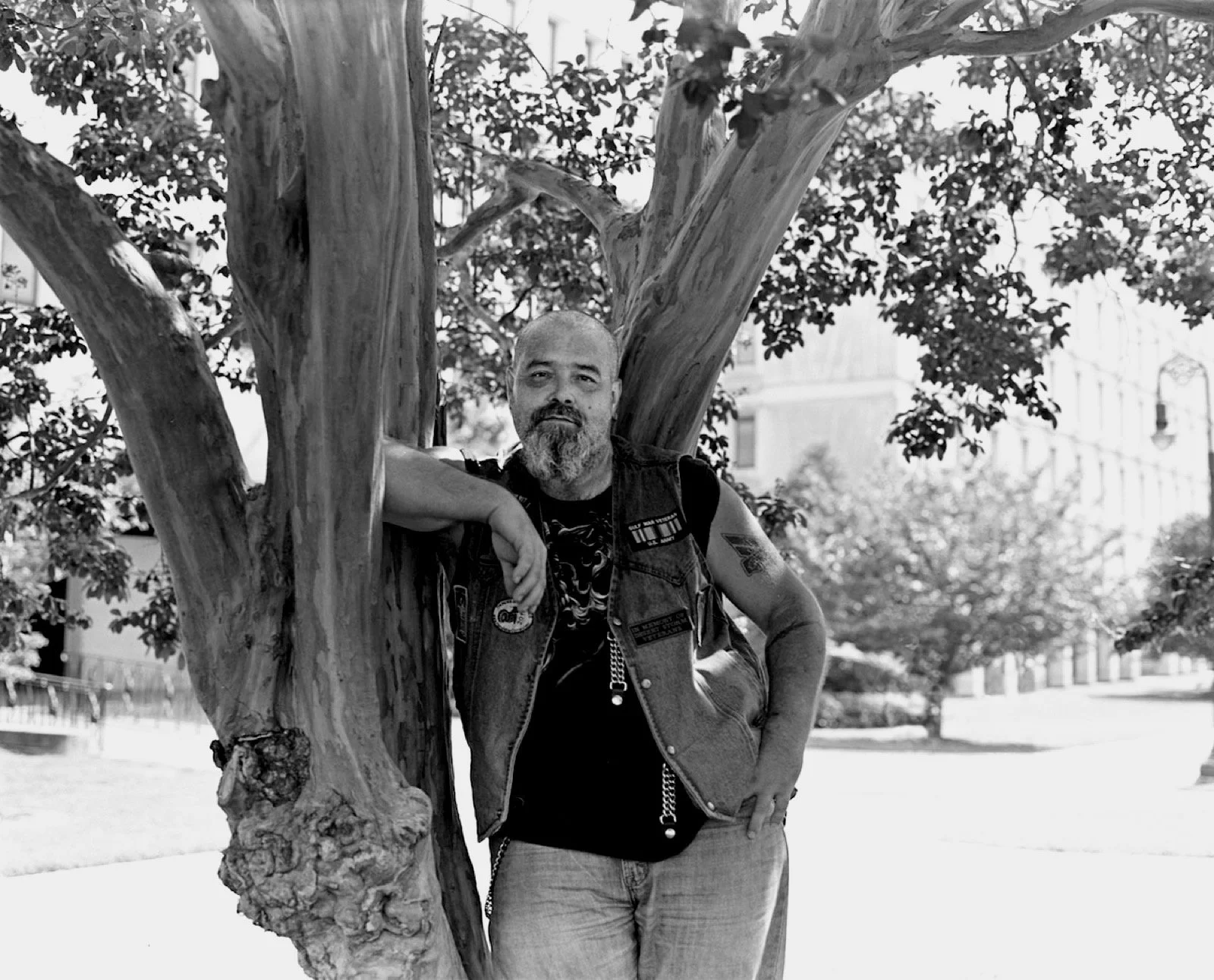
Don, an attendee at the Ku Klux Klan rally at the Columbia, South Carolina State House. A lifelong South Carolinian, he stated that he was attending to protest the removal of a Confederate flag from a memorial on the Capitol building’s property.
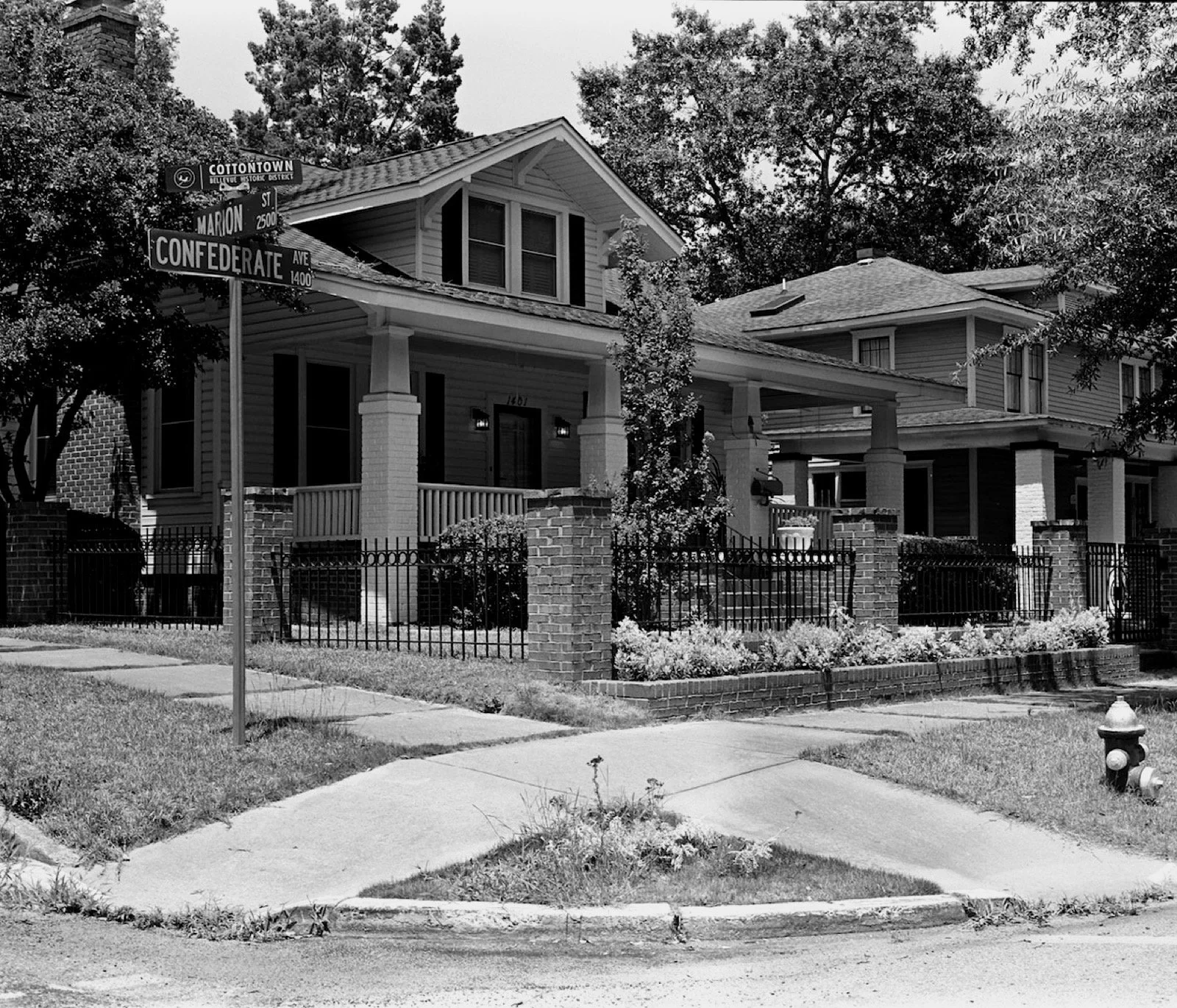
A home that sits on the corner of Confederate Avenue and Marion Street, in the historic Cotton Town district of Columbia, South Carolina.
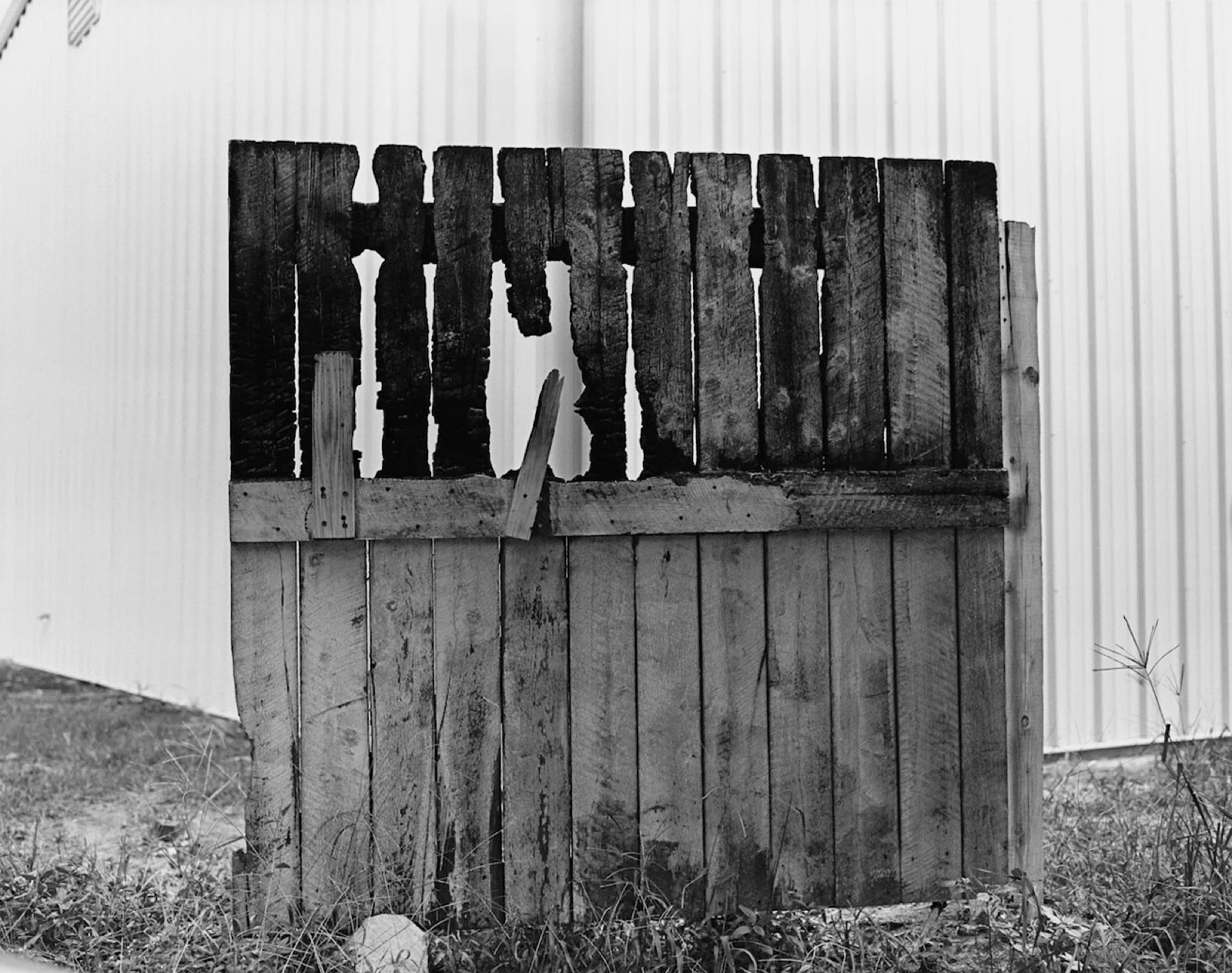
Burnt white picket fence, West Columbia, South Carolina.
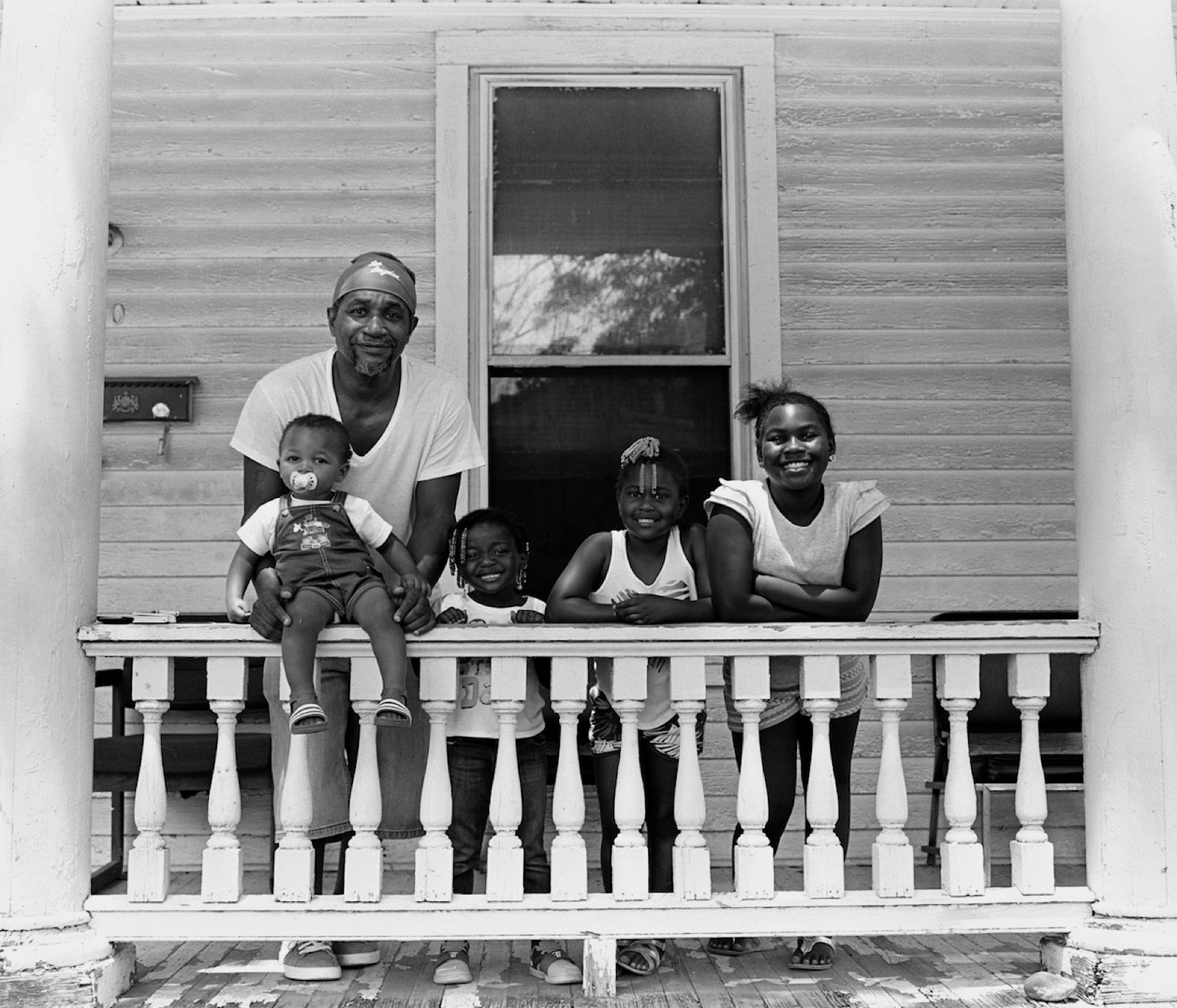
Clarence, his nephew, and three nieces, Lauren, Keiahra, and Keimiya at their home in Church Hill, Richmond, Virginia. Clarence grew up in Jackson Ward, a neighborhood which spans part of downtown Richmond and the urban campus of Virginia Commonwealth University. He relocated his family to the edge of Church Hill after the cost of housing became untenable due to the rise of student housing and temporary rentals. Jackson Ward is a historically African-American community which was once known as “The Harlem of the South.” Since the 1950s its community has been greatly impacted and displaced by numerous “renewal” efforts, including the construction of an interstate highway which bisected the neighborhood and the continued expansion of Virginia Commonwealth University’s campus and student housing.
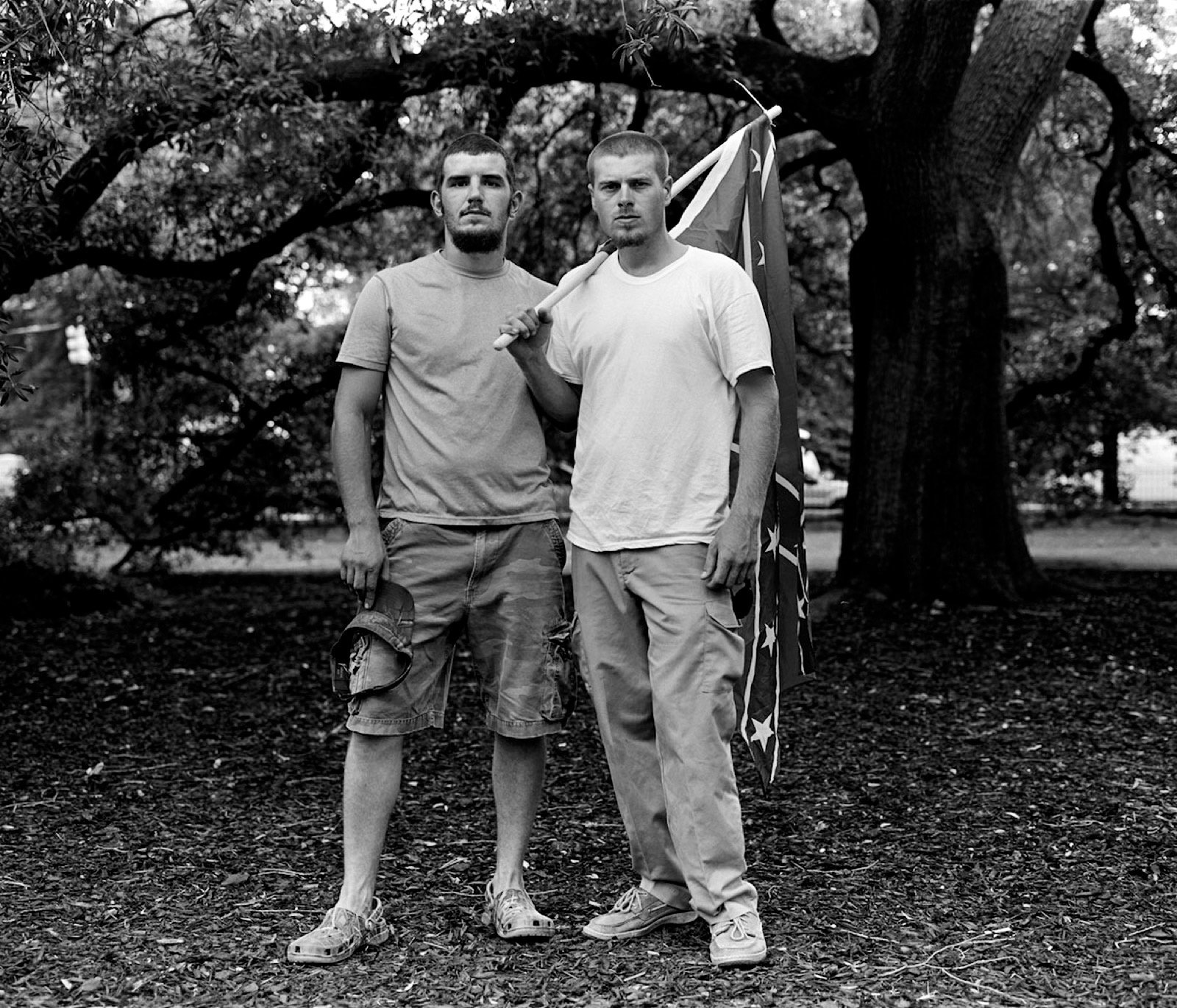
Dustin & Benjamin Byrd at a Ku Klux Klan (KKK) rally at the South Carolina State House. The brothers denied any affiliation to the KKK, stating that they had come to “stand in protest against” the state-sanctioned removal of a Confederate flag from the grounds. Following the action, the brothers were approached by a group of protesters while crossing the State House grounds carrying a confederate flag. After a rock was thrown and the group surrounding the brothers grew, two police officers intervened and walked Dustin and Benjamin to the street. Placing his hand on Dustin’s soldier, one of the officers offered an apology, stating: “I’m sorry, you didn’t do anything wrong. You know we’re just trying to keep you safe.” Dustin shook his hand and thanked him for his service.
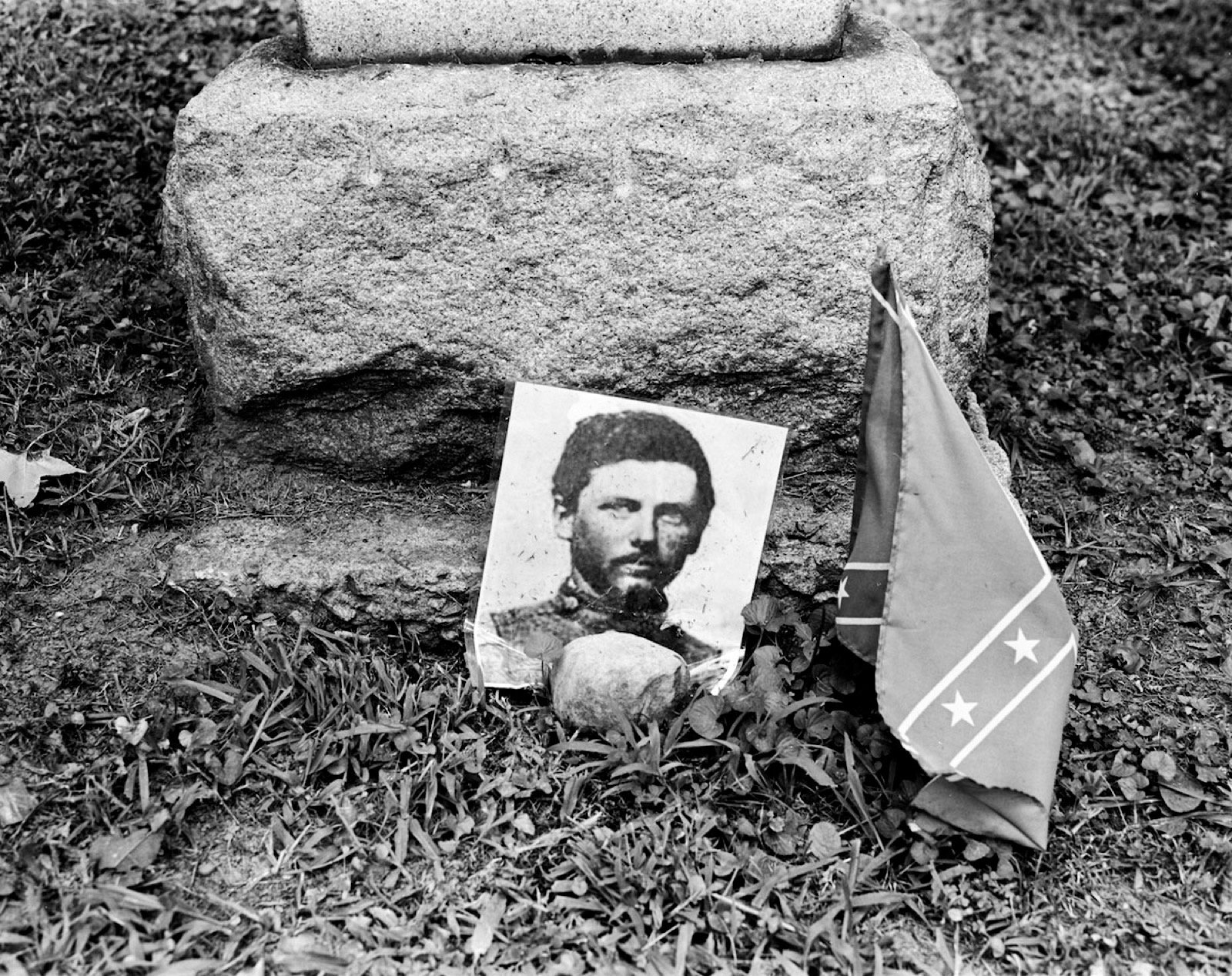
Captain Charles Seton Fleming, (2 FLA INF CSA). Killed at Cold Harbor on June 3rd, 1864 at age 29. Buried in Hollywood Cemetery, Richmond Virginia. Charles was the brother of Francis Fleming, the governor of Florida from 1889–1893. Francis was a firm supporter of segregation and fought against civil rights for African Americans in Florida. He signed poll taxing and literacy tests into Florida law.
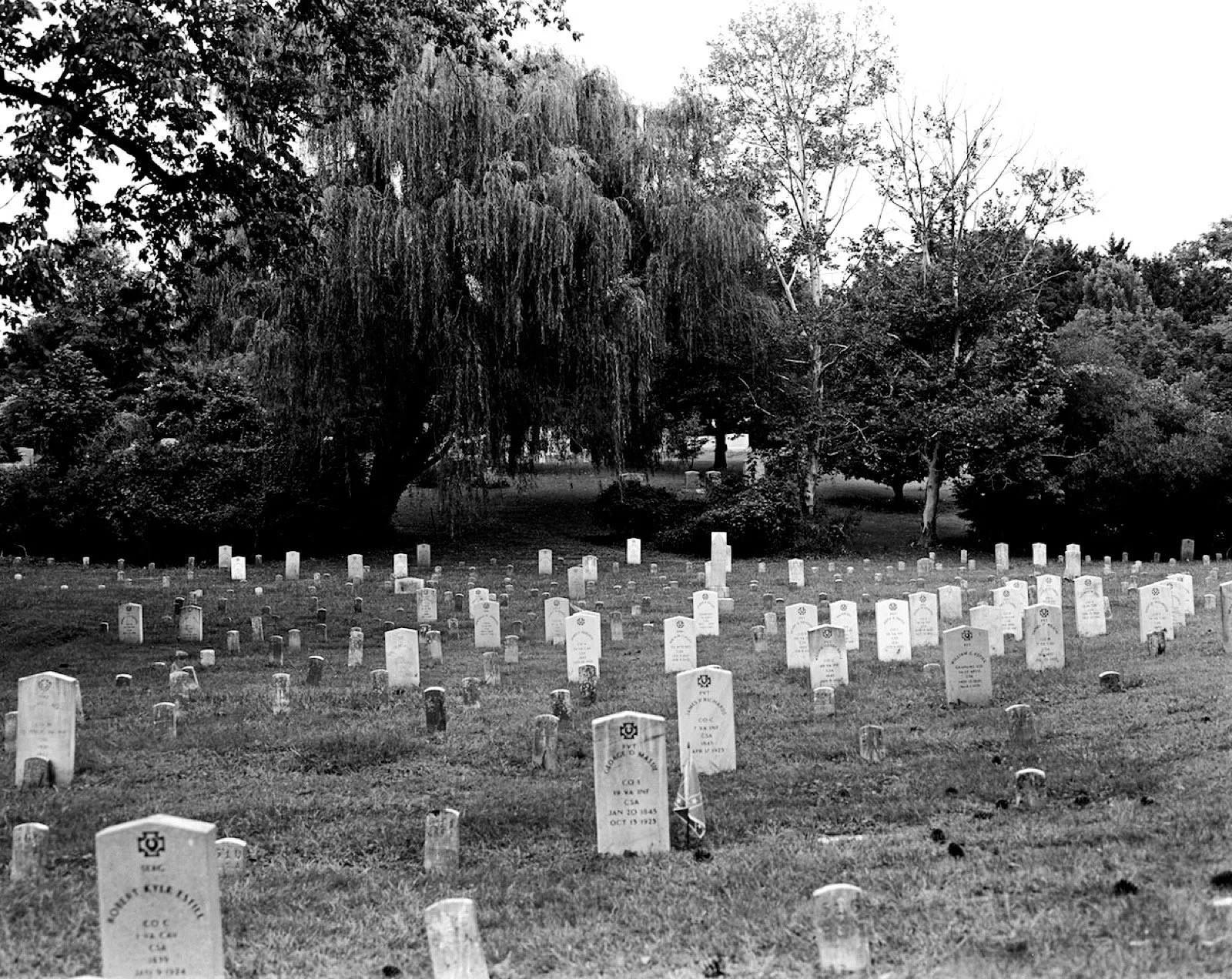
Over 16,000 Confederate graves are cared for in perpetuity at Hollywood Cemetery in Richmond, Virginia. Across town, the Four Cemeteries at Evergreen is the final resting place for some of Richmond’s most celebrated African-American leaders, activists, and community members. There have been numerous attempts, including a current project by Americorps Vista to clear the sprawling kudzu and English ivy that covers many of the headstones. For decades a large portion of the cemetery has been inaccessible to visitors and mourners.
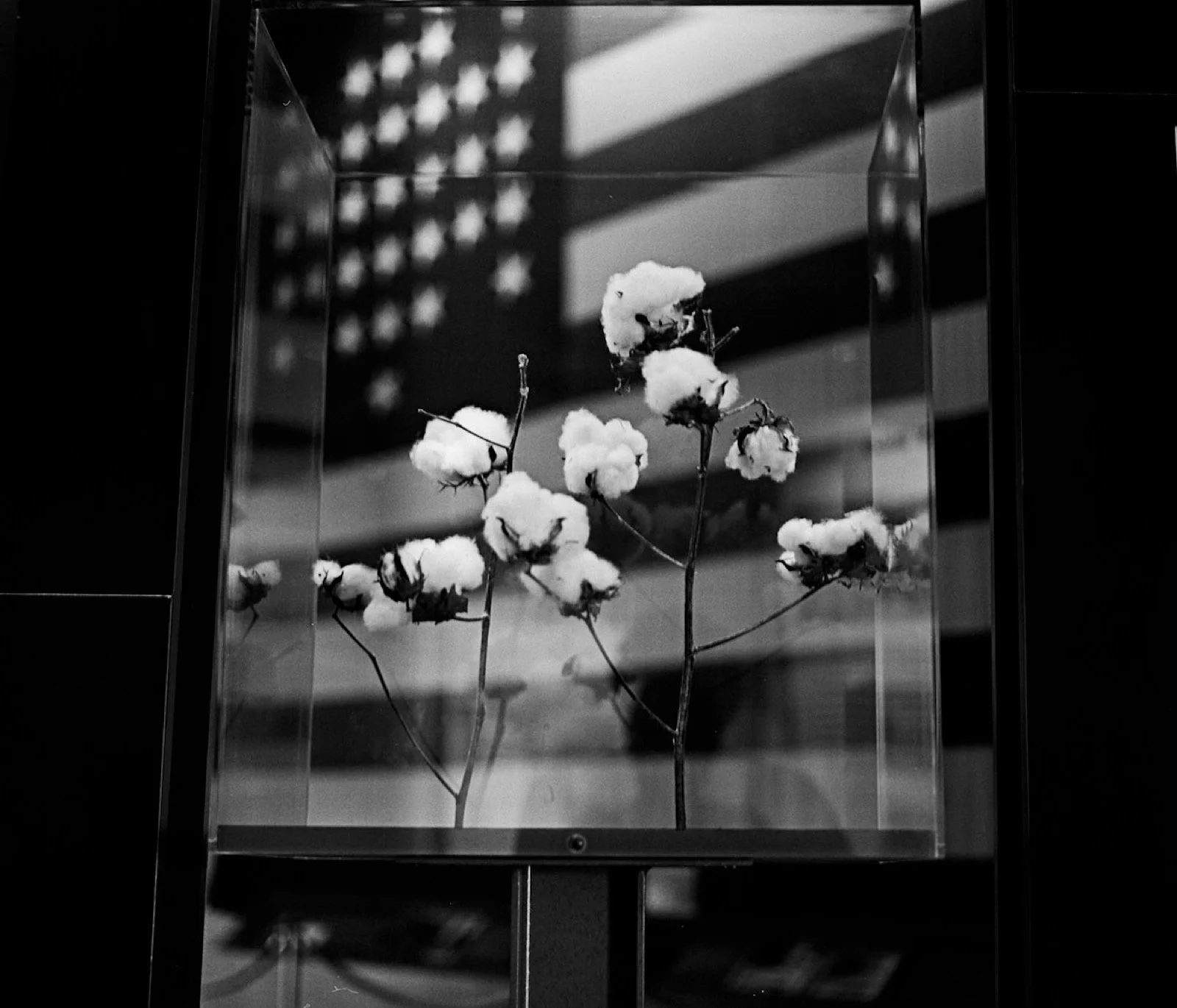
“King of the South” (Cotton) on display at the Ft. Sumter Museum in Charleston, South Carolina. Fort Sumter removed a Confederate Flag from the courtyard of their museum after the massacre at the AME Emanuel Church, yet the memorial and island fort remain celebrated entry points into the first shots fired by Confederate secessionists.
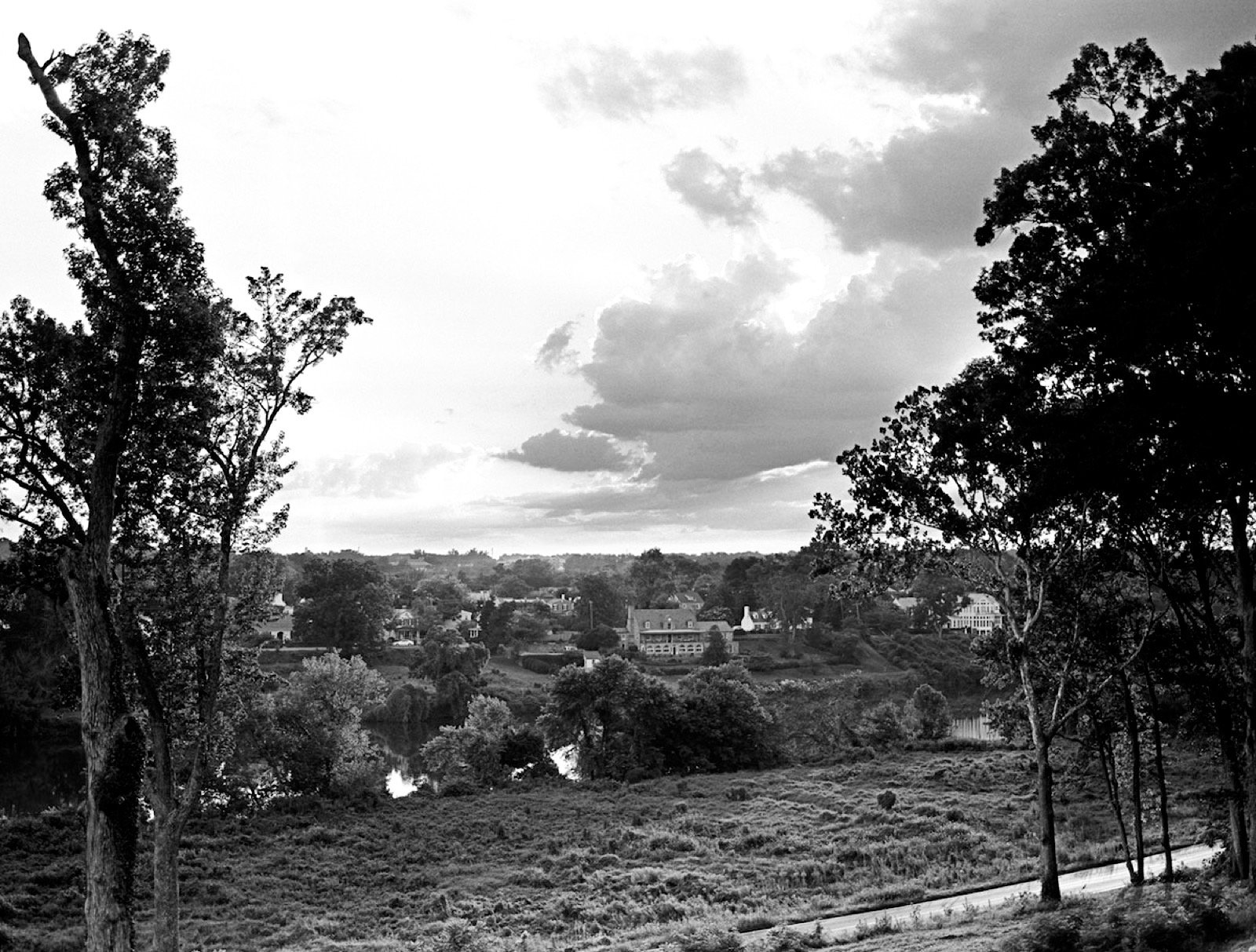
The view from Chatham Manor, Fredericksburg, Virginia. Walt Whitman served as a Union nurse at Chatham Manor during the Civil War, later releasing the poem “The Wound Dresser” about his experiences caring for wounded soldiers.
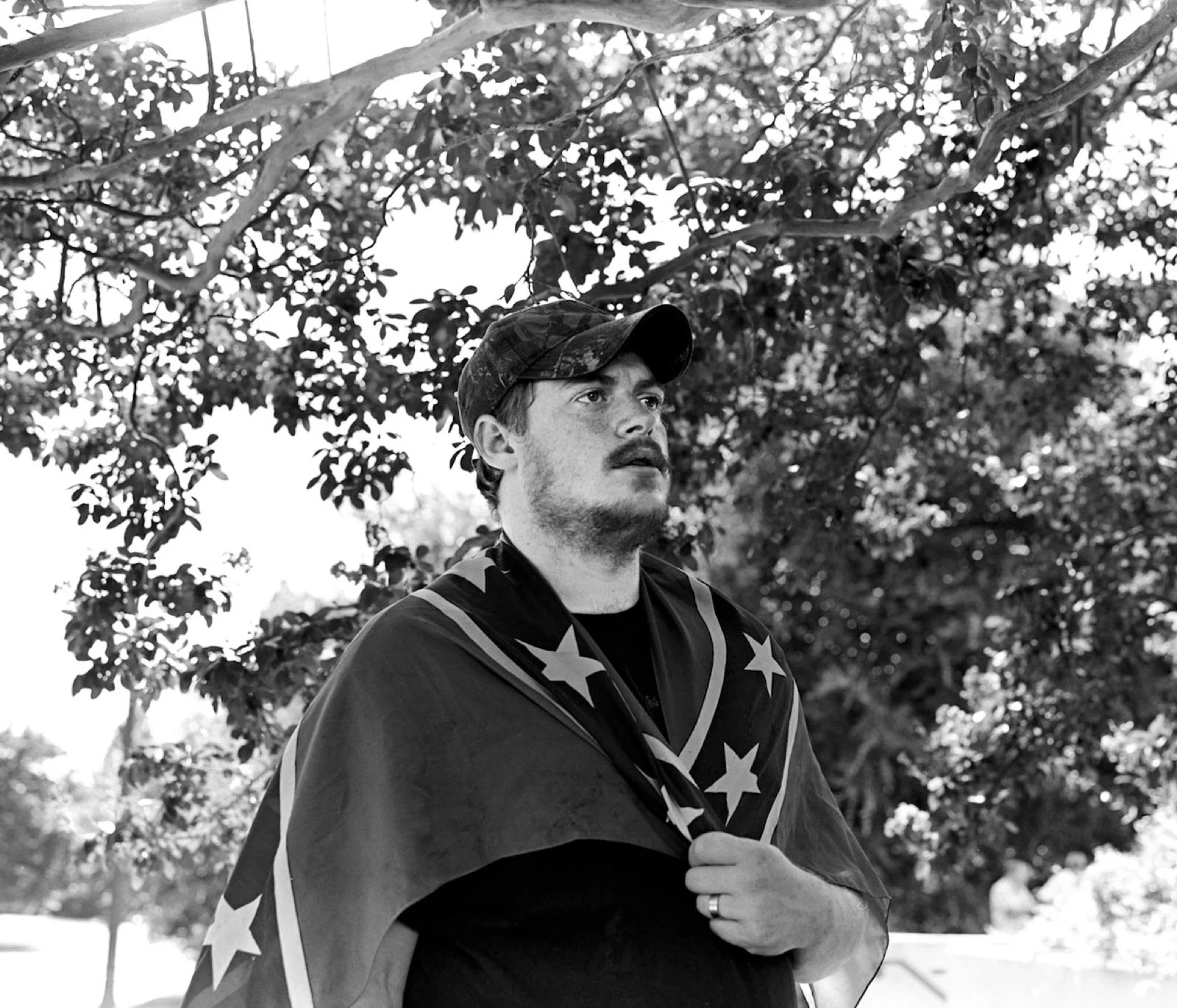
A young man drapes a Confederate flag over his shoulders at a Ku Klux Klan rally at the Columbia, South Carolina State House. Over two thousand people protested in opposition to, or in support of, the Klan’s march against the removal of a Confederate flag from a memorial on capitol grounds. This man said that he was not attending the rally in support of the Klan, but wanted to “defend his South Carolinian heritage.” He spoke of ancestors who fought in the Civil War to “protect their way of life”—a way of life he asserts was rooted in agriculture and a celebration of the land.
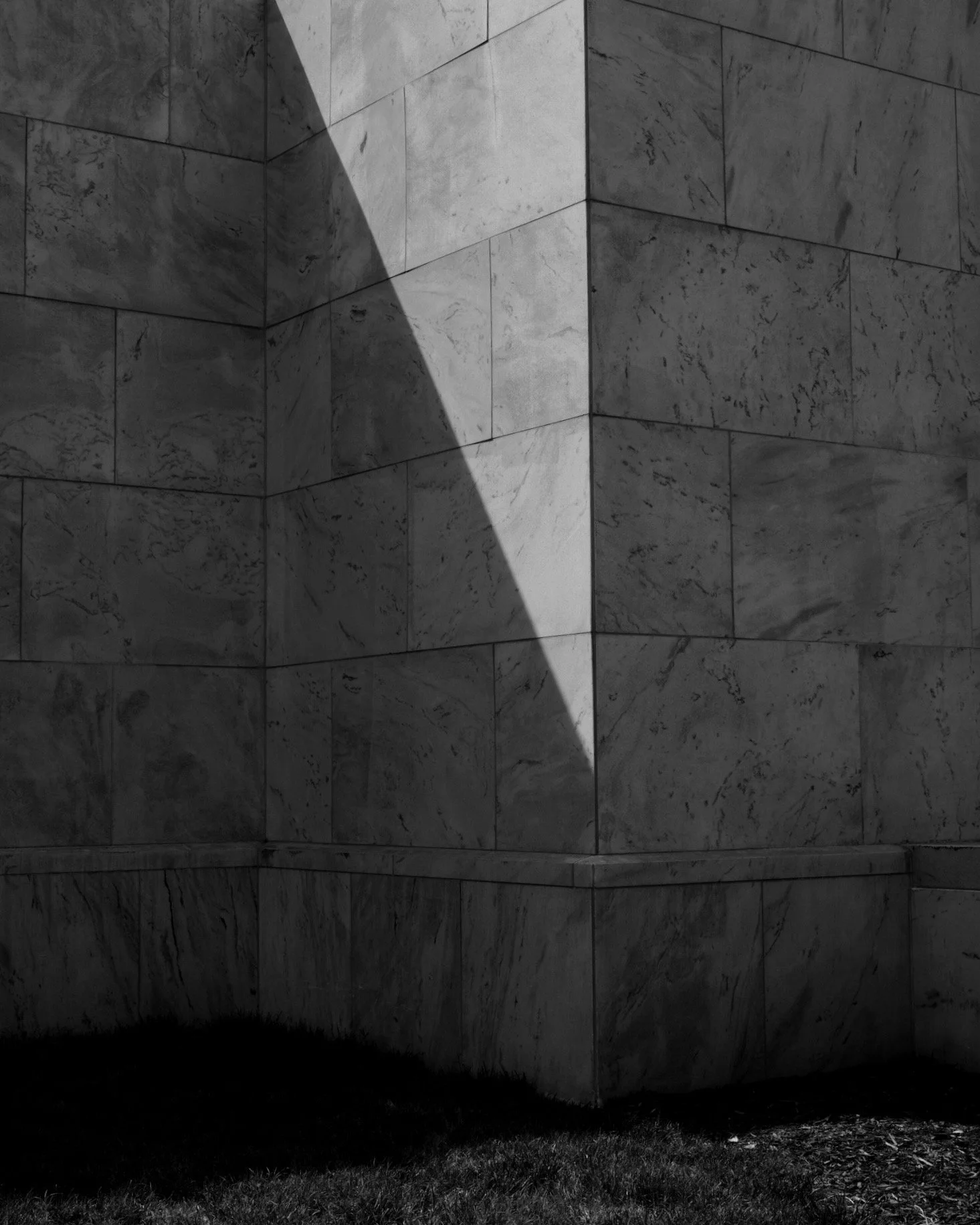
Cornerstone of the Daughter's of the Confederacy building, which is now monitored 24/7 by security, following vandalism in 2020. Protestors broke out windows and threw Molotov cocktails into the rooms. The DotC has never shared the extent of the damage caused and remains closed to the public. The building now sits beside a large monument by artist Kehinde Wiley called "Rumors of War". This bronze sculpture features a young Black man astride a horse.
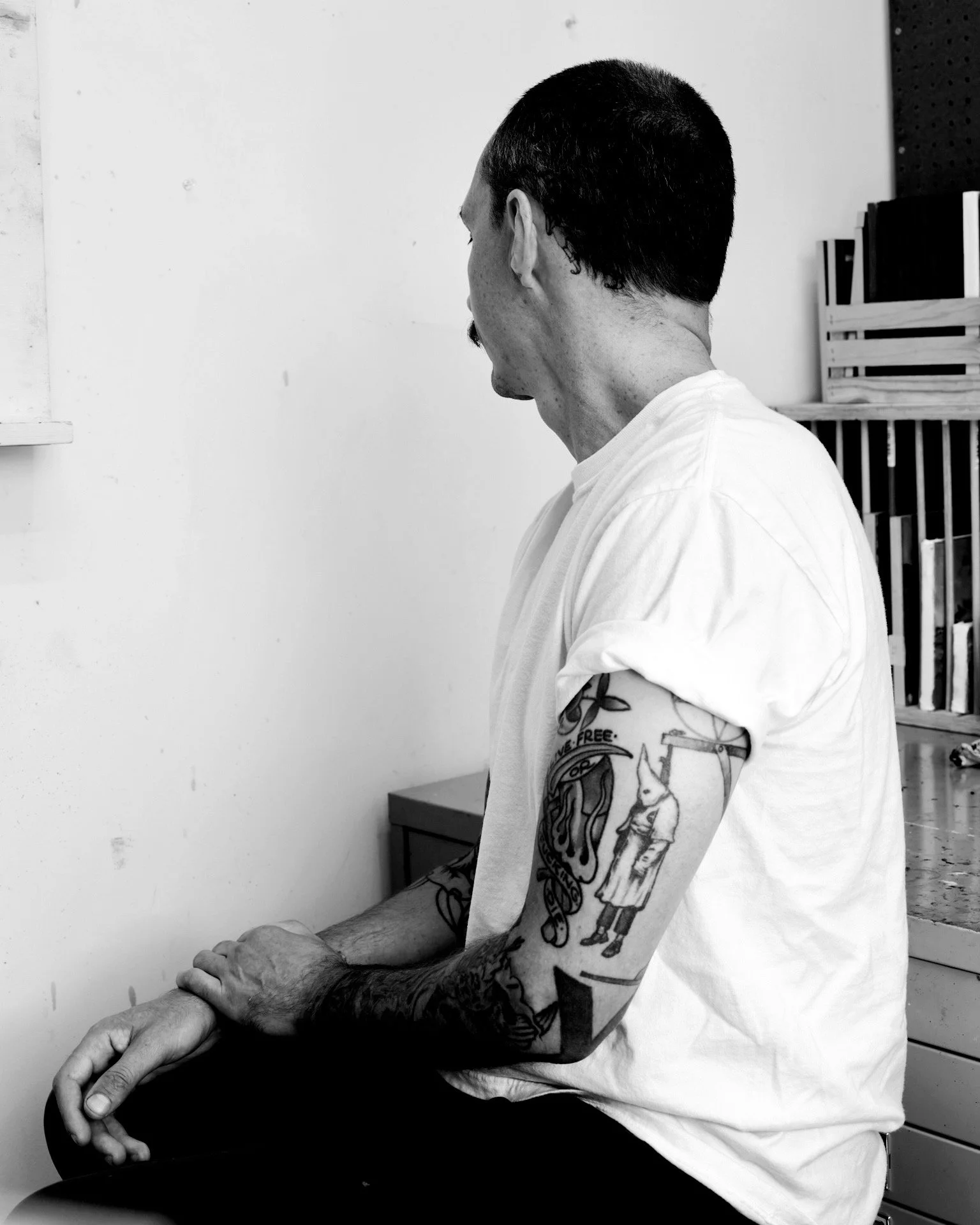
Richmond, Virginia. A KKK member hangs with a noose in a tattoo on a Richmonder's arm.
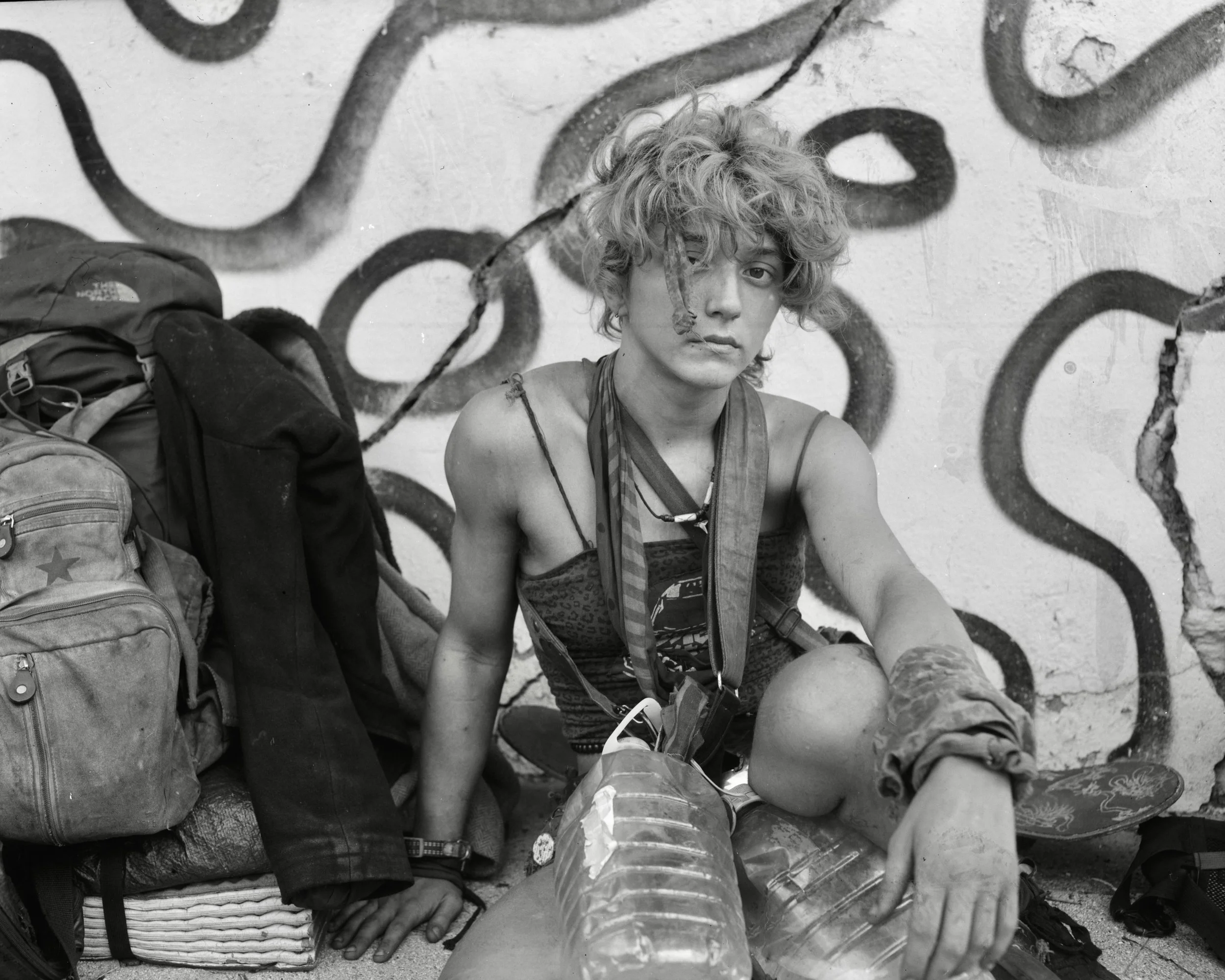
Seven, a train hopper from Baltimore, Maryland. I met Seven across the street from the home of Atlanta’s first black run newspaper, where MLK organized. Seven was sleeping on the streets, turning tricks for money. They were contemplating going North to escape the heatwave. When I asked seven about the 250th anniversary of the signing of the Declaration of Independence, they responded: “we’re all a bunch of creeps these days.”
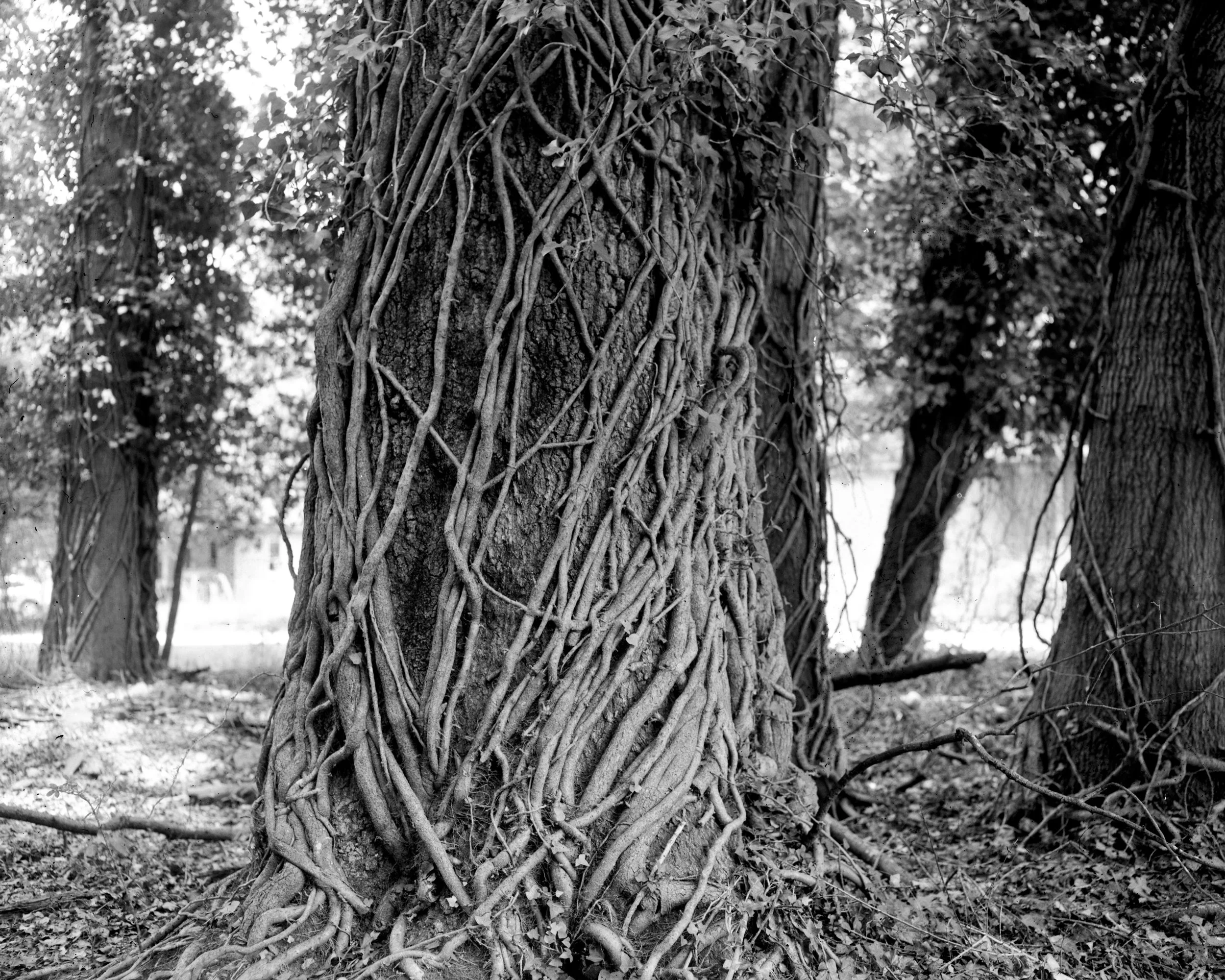
A tree in Shermantown, Georgia- a freedman town settled at the base of Stone Mountain. This tree stands in the woods beside Ebenezer Baptist Church, organized in 1916. Shermantown was established by formerly enslaved folks following the Civil War and was named to honor Union General William T. Sherman, whose forces occupied the region. Sherman utilized destruction of infrastructure as a tactic to halt Confederate movement, including the destruction of railroad ties through the South. "In case of the sounds of serious battle [Major-General McPherson] will close in on General Schofield but otherwise will keep every man of his command at work in destroying the railroad by tearing up track, burning the ties and iron, and twisting the bars when hot. Officers should be instructed that bars simply bent may be used again, but when red hot they are twisted out of line they cannot be used again. Pile the ties into shape for a bonfire, put the rails across and when red hot in the middle, let a man at each end twist the bar so that its surface becomes spiral." These twisted ties became known as Sherman's neckties. A monument of twisted and rusted metal stands beside the Shermantown trainstation to this day. The Ku Klux Klan met on top of Stone Mountain from 1915 to 1978, often marching through Shermantown in the evenings.
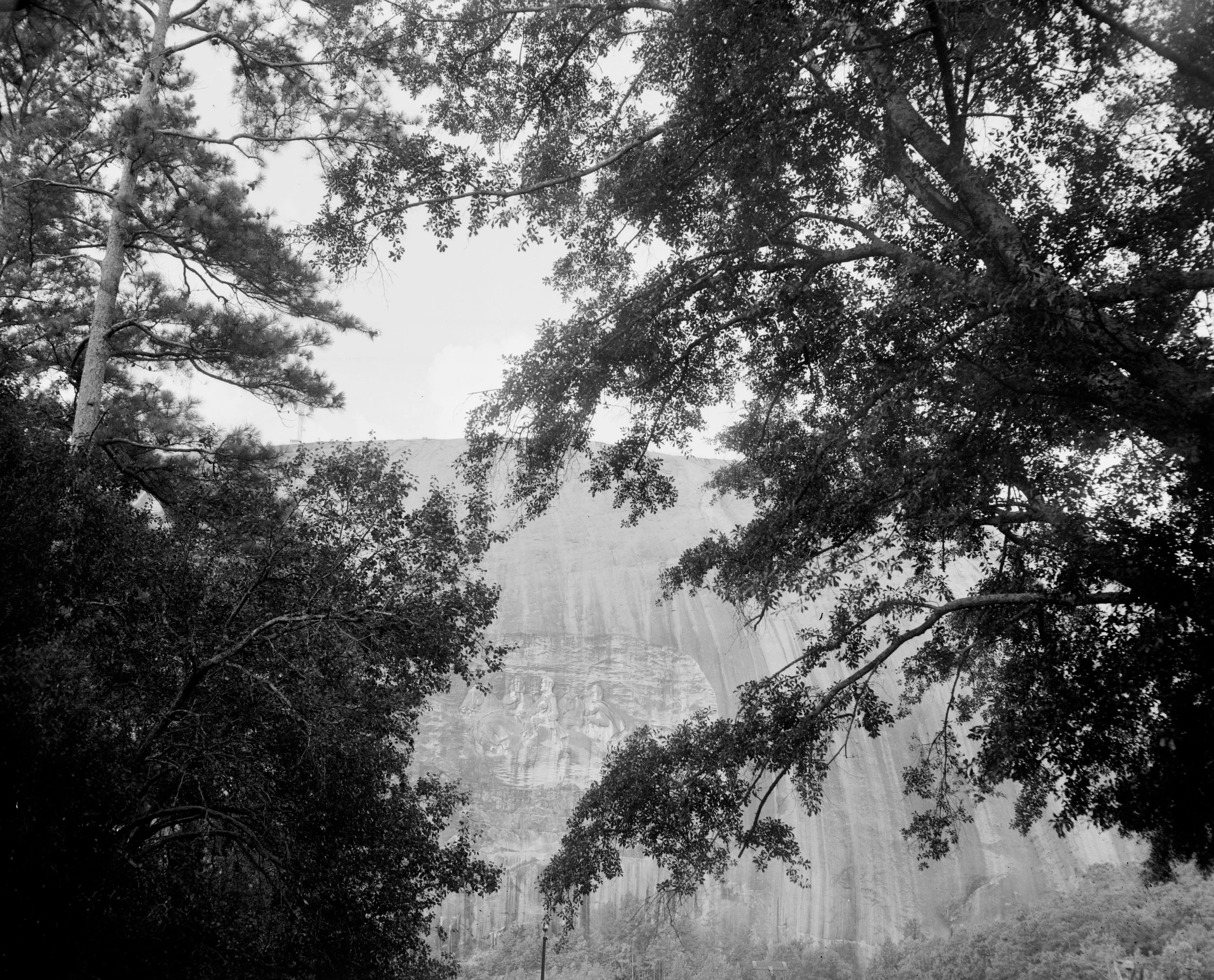
Stone Mountain monument, July 4th, 2026.
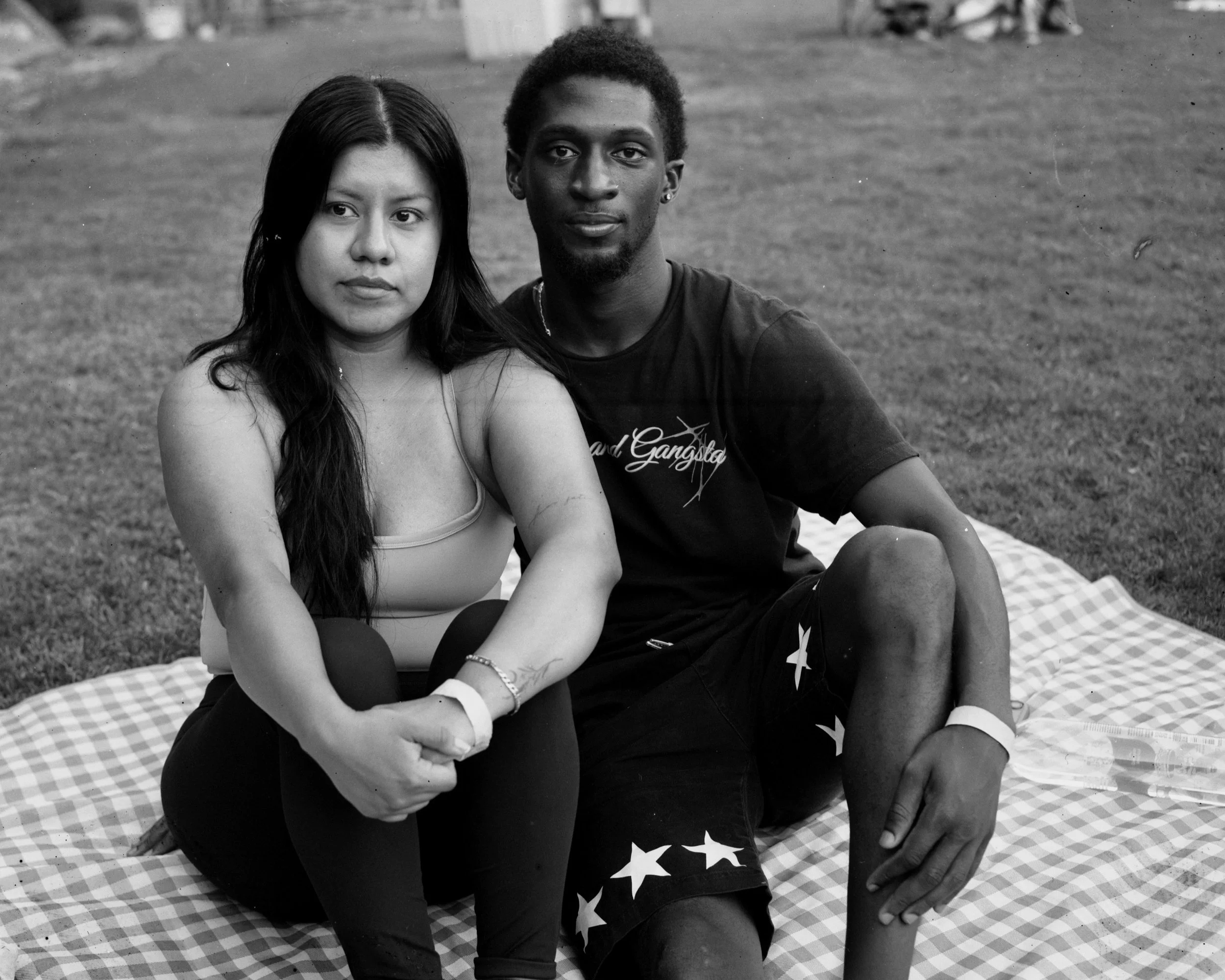
Young couple watches the fireworks at the 4th of July celebration at Stone Mountain. It was their first time at the monument and they came because they heard it was the "best lightshow & fireworks in the state". They shared that they thought that the mountain was beautiful.
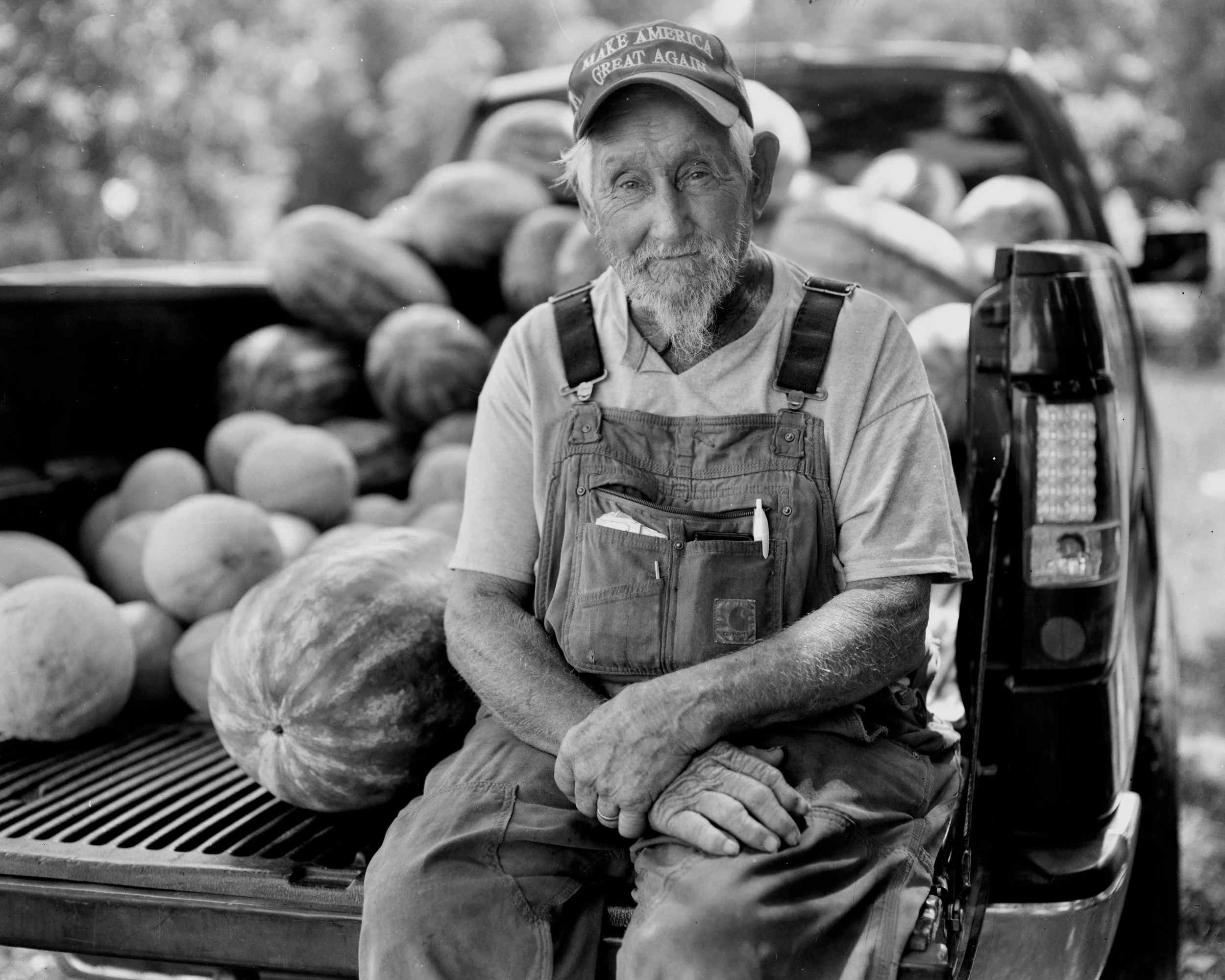
Junior Carthern, Age 84. Colbert, Georgia. Junior sells watermelons and peaches from Southern Georgia on the side of the road on the 4th of July. When asked what he was doing to celebrate, he said "This. I work here 7 days a week and I'm 84 years old." When asked how he feels about the 250th of the signing of the Declaration of Independence, Junior responded: "I don't believe in much anymore".
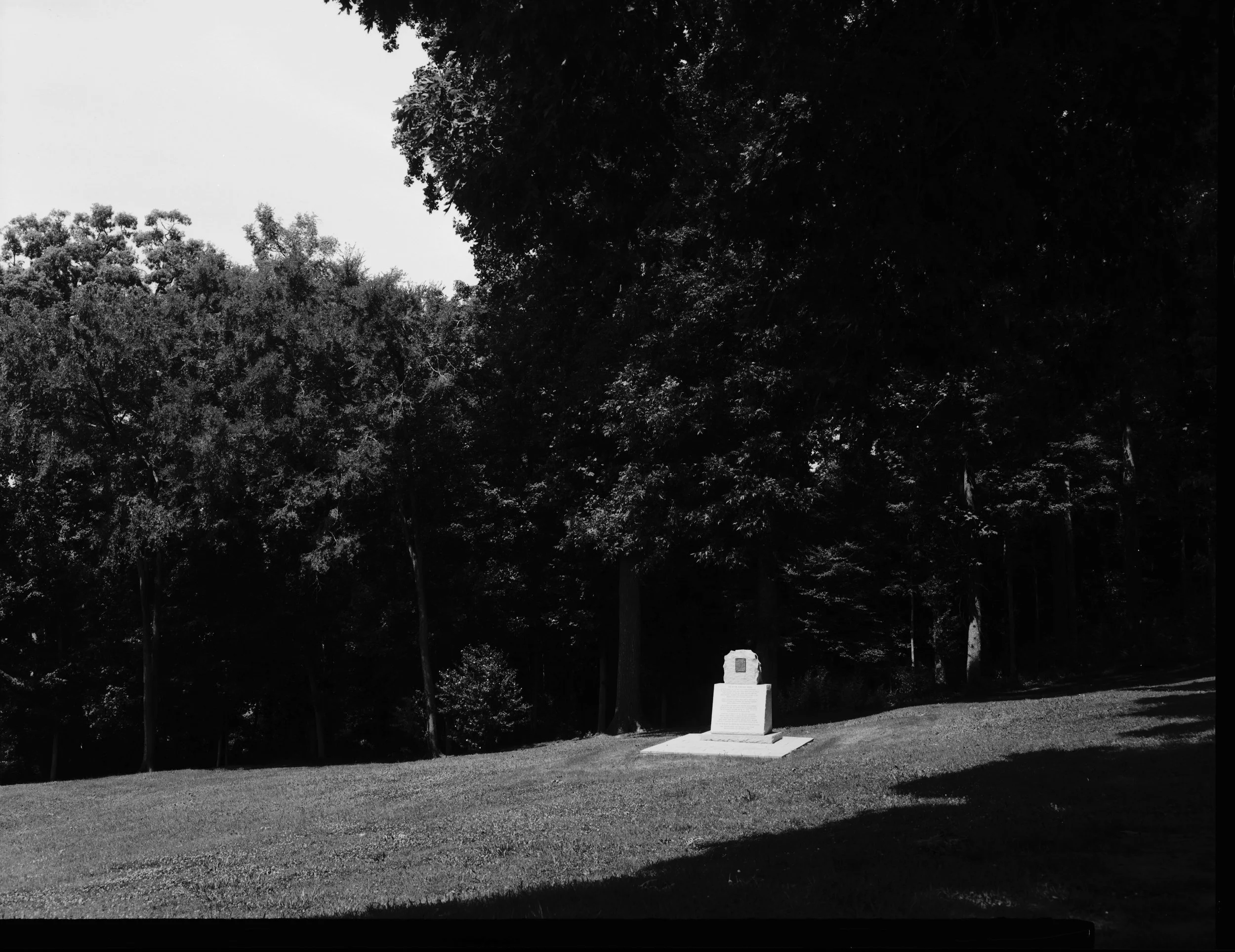
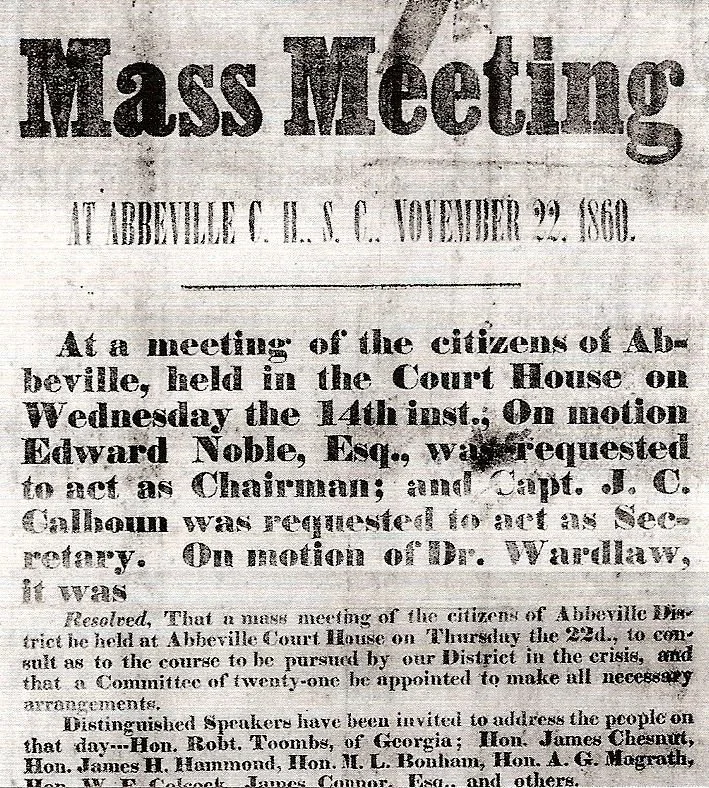
A Lost Cause monument on Secession Hill in Abbeville, SC. This site is called the "Birthplace and Death Bed of the Confederacy". Secession Hill is the site where South Carolinians gathered on November 22nd, 1860, to launch South Carolina's secession from the Union. Abbeville is also where the dissolution of the Confederacy was formalized at the nearby Burt-Starke mansion. Today, this private park sits across the street from homes owned by predominantly Black families. When I asked one Black resident about the park, he responded "I don't want to know NOTHIN' about that place'. Moments later, a white family gathered in their 4th of July matching outfits to read the monuments. This monument, installed in recent years by the Daughters of the Confederacy, is overt in its Lost Cause myth-making, stating, in part: "After the South lost the war for Southern Independence, S.C. as other Southern states were under yankee rule for twelve years, because the vote was denied the white man. Only carpetbaggers, scalawags and Blacks were allowed to vote. Gradually, our people regained their vote."
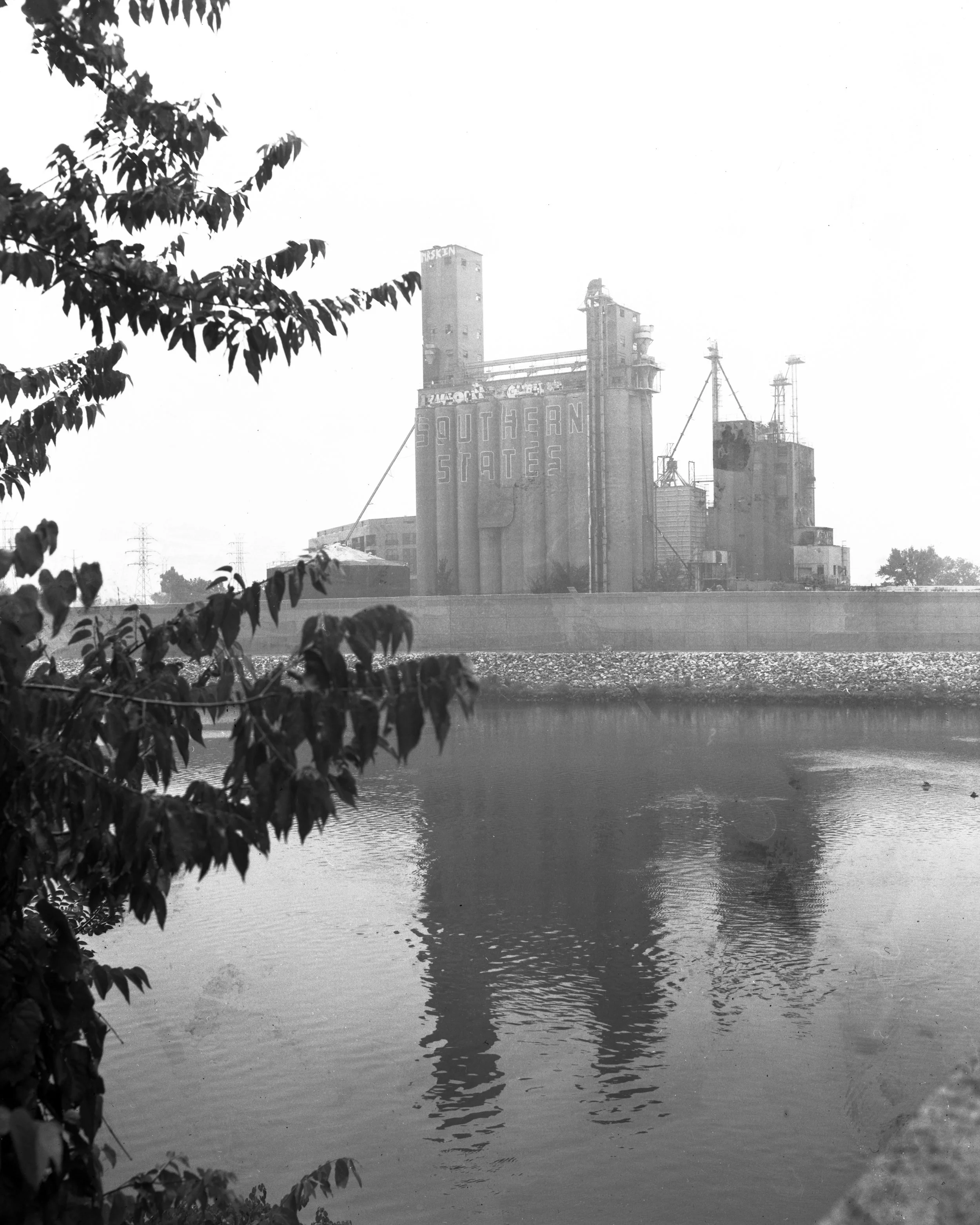
Southern States, Richmond, Virginia.
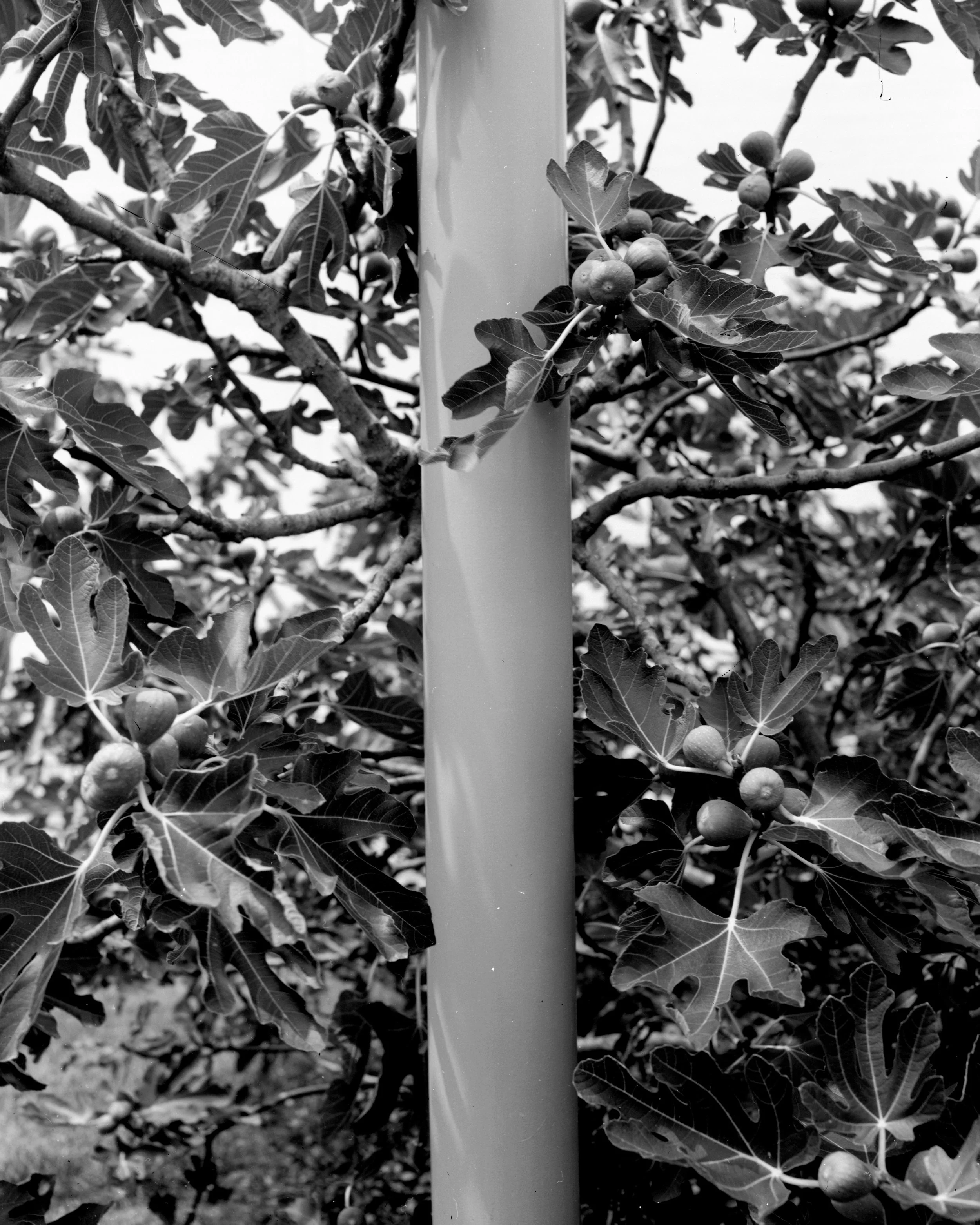
Figs grow behind the Daughters of the Confederacy building. Richmond, Virginia.
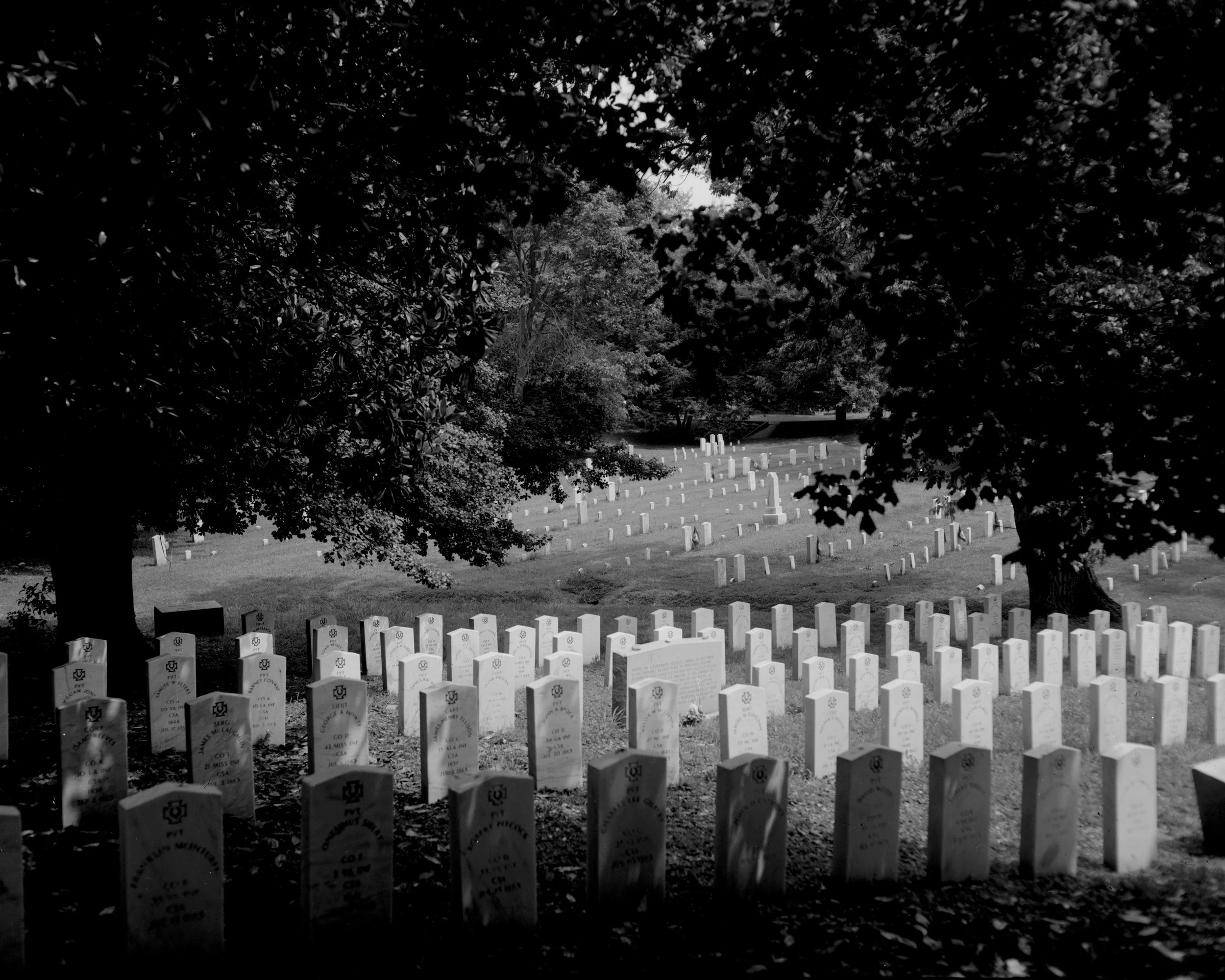
Confederate Avenue, Hollywood Cemetery. Richmond, VA.